

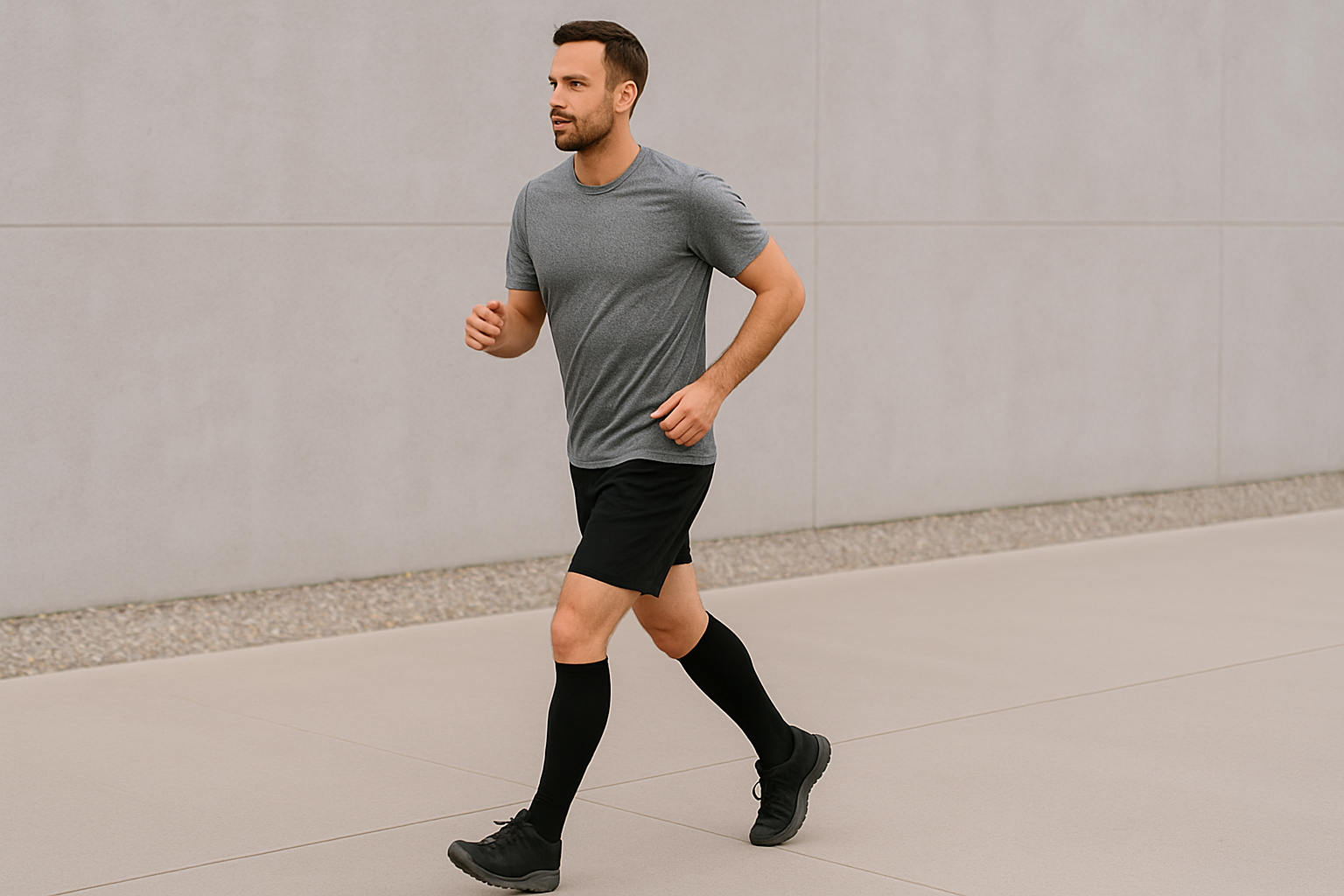
Good circulation is essential for keeping your legs healthy, energised, and free from discomfort. For people who spend long hours sitting, standing, or travelling, blood flow in the lower legs can quickly slow down, leading to swelling, heaviness, and fatigue. This is where compression socks come in. Designed with targeted, graduated pressure, they are widely recommended to support healthier circulation but do they really make a difference?
The short answer is yes: compression socks can improve blood circulation when used correctly. By helping the veins push blood back toward the heart more efficiently, they reduce stagnation, prevent swelling, and support overall leg health. Whether you’re an athlete, an office worker, a frequent flyer, or someone dealing with venous issues, compression socks can play a meaningful role in keeping your legs comfortable and well-supported.
In this article, we’ll explore how compression socks improve circulation, who benefits most, and why they are one of the simplest yet most effective tools for boosting lower-leg blood flow.
How do compression socks improve blood circulation?
Compression socks improve blood circulation by applying graduated pressure to the lower legs, helping the veins move blood upward toward the heart more efficiently. This targeted pressure is strongest at the ankles and gradually decreases as it moves up the leg, promoting healthy blood flow, preventing stagnation, and reducing the risk of swelling or discomfort caused by poor circulation.
At the core of their function is the support they provide to the venous system. Veins are responsible for carrying deoxygenated blood back to the heart, but because they work against gravity — especially in the legs — they can struggle when weakened or overloaded. Compression socks gently squeeze the lower leg, helping the veins maintain their shape and function more effectively. This reduces the pressure inside the vein walls and allows the valves to close properly, preventing blood from flowing backwards and pooling in the lower limbs.
One of the main ways compression socks improve circulation is by reducing the diameter of the veins. When the veins are slightly compressed, blood is pushed through them faster and more efficiently. This process increases venous return — the amount of blood flowing back to the heart — and helps maintain steady, healthy circulation throughout the legs.
Compression socks also combat swelling (oedema), which often results from fluid collecting in the lower legs due to long periods of sitting, standing, or hormonal or medical factors. By providing consistent pressure, the socks prevent excess fluid from accumulating in the tissues. This reduces heaviness, puffiness, and discomfort, helping the legs feel lighter and more energised by the end of the day.
Athletes benefit from improved circulation as well. Faster blood flow helps deliver oxygen and nutrients to the muscles more quickly, improving performance and reducing fatigue. Post-exercise, compression socks help flush out metabolic waste like lactic acid, leading to faster recovery and less soreness. This makes them popular in both high-intensity sports and endurance activities.
For individuals with medical conditions such as varicose veins, deep vein thrombosis (DVT), lymphedema, and chronic venous insufficiency, compression socks can play a vital role in managing symptoms and improving long-term leg health. By continuously supporting venous function, they reduce the risk of blood pooling, clot formation, and inflammation.
Even for everyday use, compression socks support circulation by improving leg stamina, reducing fatigue, and enhancing blood flow consistency during long periods of immobility or physical activity.
In summary, compression socks improve blood circulation by enhancing venous return, supporting vein function, preventing swelling, and promoting efficient, healthy blood flow throughout the legs.
Who benefits most from improved circulation with compression socks?
Improved circulation from wearing compression socks can benefit a wide range of people, from those with medical conditions to individuals who simply want more comfort in their daily routine. Because these socks enhance venous return, reduce swelling, and support healthy blood flow, they play an essential role in maintaining leg health across various lifestyles and needs.
One of the groups that benefit most are people who spend long hours sitting or standing. Office workers, cashiers, teachers, hairdressers, and drivers often experience reduced circulation due to prolonged immobility. Compression socks help counteract this by keeping blood moving effectively, preventing swelling, heaviness, and fatigue throughout the day. For many, they also reduce the risk of developing varicose veins and improve overall leg comfort.
Travellers, particularly those on long flights, can also experience major benefits. Sitting in a restricted position for several hours increases the risk of fluid retention and even blood clot formation, such as deep vein thrombosis (DVT). Compression socks help maintain circulation, minimise swelling, and support leg health during extended travel, making them highly recommended for frequent flyers.
Another group that benefits significantly is athletes. Whether running, cycling, or training intensively, improved blood flow enhances muscle oxygenation, supports endurance, and accelerates recovery. Compression socks help reduce lactic acid buildup, decrease muscle soreness, and support quicker post-exercise recuperation. They are widely used both during and after workouts for sustained performance and comfort.
Individuals with medical conditions tied to circulation are among the most impacted. People with chronic venous insufficiency, varicose veins, lymphedema, or a history of clotting issues benefit greatly from the enhanced venous return compression socks provide. They help prevent blood pooling, reduce inflammation, and stabilise vein function. Pregnant women — who often experience swelling and vein pressure — also benefit from improved circulation through gentle, consistent compression.
Older adults are another key group. As we age, the efficiency of the venous system naturally declines, which can lead to swelling, heaviness, and visible veins. Compression socks support ageing veins, helping maintain mobility, reduce discomfort, and prevent circulation-related complications.
Lastly, people with active jobs such as nurses, delivery workers, warehouse employees, and hospitality staff frequently experience leg fatigue due to constant movement. Compression socks help them maintain consistent circulation, reduce muscle strain, and stay comfortable throughout long shifts.
In summary, improved circulation with compression socks benefits workers, travellers, athletes, older adults, pregnant women, and individuals with venous conditions. Anyone seeking lighter, healthier, and more energised legs can gain from wearing them.
Are there risks or limitations to using compression socks?
Compression socks are generally safe and beneficial for most people, but like any health-supporting product, they do come with certain risks and limitations that users should be aware of. When used correctly, they can greatly improve circulation and reduce discomfort — however, improper use or the wrong level of compression may lead to unwanted effects.
One of the main risks is wearing compression socks that are too tight. Excessive compression can restrict circulation rather than improve it, causing numbness, tingling, or skin irritation. This is especially important for individuals with sensitive skin or reduced sensation in their legs. Ensuring the correct size and compression level is essential for safe and effective use.
Another limitation is for people with certain medical conditions. Individuals with severe peripheral arterial disease, advanced diabetes with neuropathy, heart failure, or acute skin infections should consult a healthcare professional before using compression socks. These conditions can make the legs more vulnerable to pressure, and inappropriate compression may aggravate symptoms.
Long wear without proper hygiene can also cause issues. Compression socks should be washed frequently to avoid bacterial buildup and skin irritation. Wearing them for extended periods without breaks may lead to dryness or discomfort, especially in warm weather.
It’s also important to recognise that compression socks offer symptom relief, not a cure. They help manage circulation and swelling, but they do not fix the underlying causes of venous insufficiency or varicose veins.
In short, while compression socks are safe for most people, choosing the right fit, the correct compression level, and using them appropriately is essential to avoid risks and maximise their benefits.
What is the purpose of compression socks?
How many hours should you wear compression socks?