

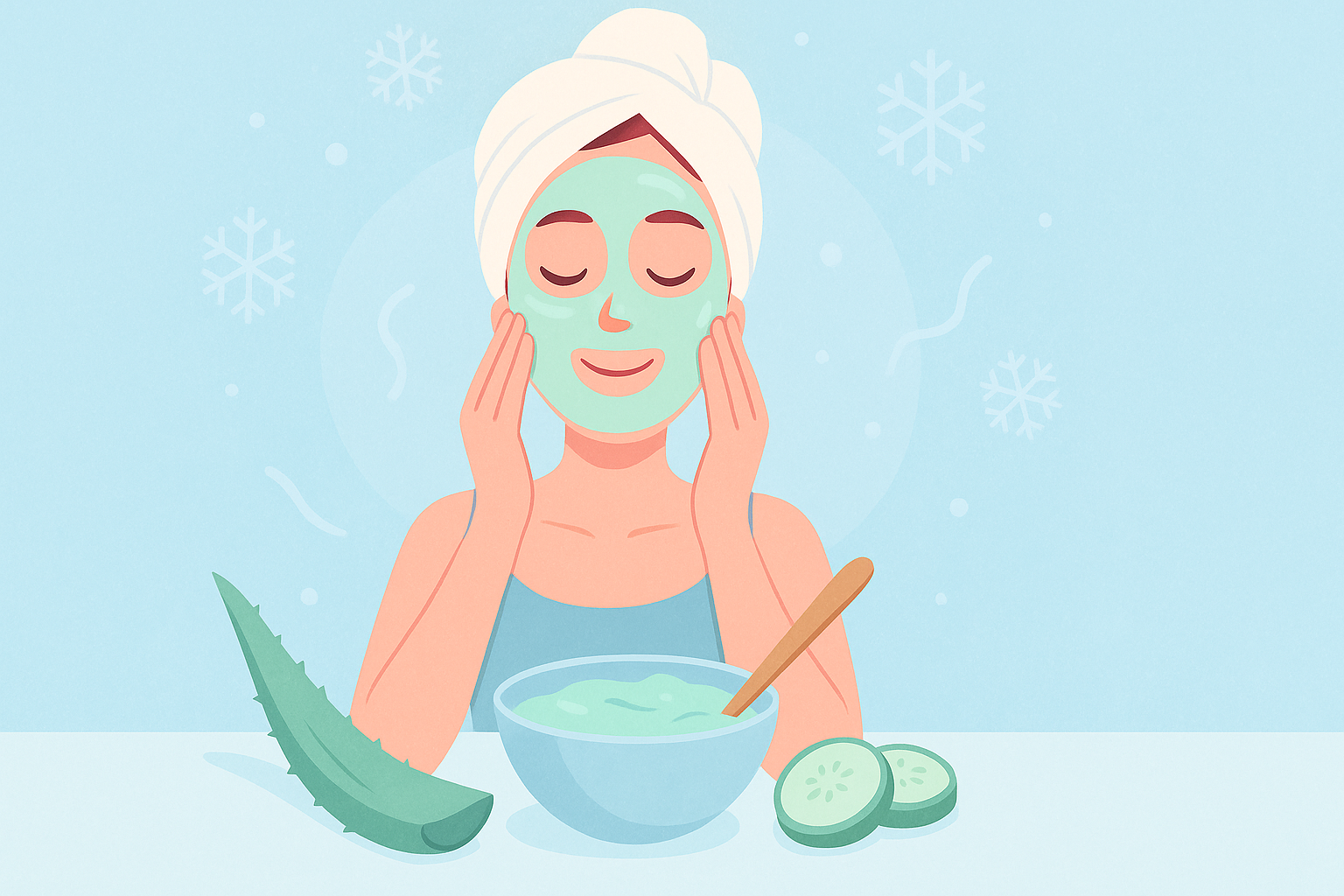
After a long day in the sun or when your skin feels irritated and warm, nothing is more refreshing than a cooling face mask. It helps calm inflammation, tighten pores, and bring instant relief all while giving your skin a natural, healthy glow. The best part? You don’t need expensive spa products to enjoy these benefits.
Making a homemade cooling face mask is simple, affordable, and can be done with ingredients you probably already have in your kitchen. From soothing cucumber and aloe vera to hydrating yoghurt and honey, these natural elements provide deep comfort while nourishing your skin.
In this article, we’ll show you how to make an effective cooling face mask at home, explore the best ingredients to use, and share tips to get the most from your skincare routine naturally and safely.
What are the steps for making a refreshing homemade face mask?
Creating a refreshing homemade face mask is one of the easiest and most natural ways to pamper your skin. Unlike store-bought products that may contain artificial additives, homemade masks are made with fresh, skin-friendly ingredients that you can trust. They help cool, soothe, and hydrate your skin making them ideal after sun exposure, workouts, or simply a long day.
Making your own cooling mask at home doesn’t require complicated tools or expensive ingredients. By following a few simple steps, you can prepare a spa-quality treatment in minutes. Here’s how to do it right for maximum freshness and effectiveness.
Step 1: Choose your base ingredient
The first step in making a homemade face mask is choosing the right base this determines the texture and primary benefits of your mask. Common bases include:
-
Aloe vera gel: Naturally cooling and anti-inflammatory, perfect for soothing irritated or sunburned skin.
-
Yoghurt: Hydrates deeply while delivering probiotics that help balance the skin’s microbiome.
-
Cucumber pulp or juice: Refreshes instantly, tightens pores, and reduces puffiness.
-
Honey: Adds moisture and antibacterial properties, helping to calm sensitive or acne-prone skin.
You can use one or combine two of these ingredients depending on your skin’s needs. For instance, aloe vera mixed with yoghurt makes an excellent cooling and hydrating base.
Step 2: Add active ingredients for extra benefits
Once you have your base, enhance it with natural active ingredients that target specific skin concerns. A few options include:
-
Green tea: Rich in antioxidants that fight inflammation and protect against free radicals.
-
Oats: Gentle exfoliation and anti-irritation properties, ideal for sensitive skin.
-
Mint leaves: Provide an extra cooling effect and help clear pores.
-
Rose water: Refreshes, tones, and adds a light, calming fragrance.
-
Coconut water: Hydrates and restores glow while soothing the skin.
For a simple cooling mask, try this blend:
2 tablespoons of aloe vera gel, 1 tablespoon of cucumber juice, and a teaspoon of rose water.
Mix well until you have a smooth, spreadable texture.
Step 3: Prepare your skin
Before applying your mask, it’s essential to cleanse your skin properly. Dirt, oil, and makeup can prevent the nutrients from penetrating effectively.
-
Use a gentle cleanser suitable for your skin type.
-
Rinse with lukewarm water and pat your skin dry with a soft towel.
-
For an extra cooling sensation, you can lightly mist your face with cold rose water before applying the mask.
Cleansed skin ensures that the mask’s ingredients can absorb deeply and deliver better results.
Step 4: Apply the mask evenly
Using clean fingers or a soft brush, apply the mask evenly across your face and neck, avoiding the eye and lip areas. Spread a generous layer but not too thick the goal is to let the skin breathe while it absorbs the nutrients.
Once applied, relax for 10 to 15 minutes. Use this time to unwind lie back, close your eyes, and let the cooling ingredients do their work.
Step 5: Rinse gently and refresh
After about 15 minutes, rinse your face with cool or room-temperature water. Avoid using hot water, as it can strip your skin of moisture and reduce the soothing effect of the mask. Gently pat dry with a towel instead of rubbing.
Finish by applying a light moisturiser or aloe-based gel to lock in hydration. This helps your skin stay soft, refreshed, and glowing for hours.
Step 6: Use regularly for lasting results
For best results, use your homemade cooling face mask two to three times a week. Consistent use helps maintain hydration, prevent irritation, and enhance your skin’s natural radiance.
Because the ingredients are natural, they’re gentle enough for frequent use but always store leftovers in the fridge and discard after a few days to keep them fresh.
What are the best natural ingredients for a cooling face mask?
When your skin feels hot, irritated, or tired, a cooling face mask can work wonders. It soothes inflammation, hydrates deeply, and restores your skin’s natural balance. The best part? You don’t need chemical-filled products — nature already provides everything you need to create an effective and refreshing mask at home.
The secret lies in choosing natural ingredients that cool, calm, and nourish your skin simultaneously. Here are some of the most effective options to include in your homemade cooling face mask.
Aloe vera – the ultimate skin soother
Aloe vera is one of the best-known ingredients for cooling and repairing the skin. Its gel is packed with antioxidants, vitamins, and enzymes that reduce redness, heal sunburn, and deeply hydrate the skin. It also has anti-inflammatory properties, making it ideal for calming irritation or post-sun sensitivity.
To use: extract fresh aloe gel from the leaf or use 100% pure aloe gel, and apply directly or mix it with cucumber juice or honey for added moisture.
Cucumber – instant freshness for tired skin
Cucumber is a classic ingredient in cooling skincare for a reason. With its high water content and natural antioxidants, it hydrates and refreshes the skin while tightening pores and reducing puffiness. It also helps lighten dull areas and restore a healthy glow.
To use: blend half a cucumber into a smooth paste and mix it with a spoonful of yoghurt or aloe vera for an ultra-refreshing mask.
Yoghurt – natural hydration and gentle exfoliation
Yoghurt doesn’t just cool your skin — it nourishes it. Rich in lactic acid, it helps gently exfoliate dead skin cells, brighten the complexion, and keep the skin smooth and soft. Its cooling texture soothes irritation caused by dryness or heat.
To use: combine two tablespoons of natural yoghurt with a teaspoon of honey or oatmeal for a creamy, refreshing mask that hydrates and rejuvenates.
Mint – an energising cooling boost
If you want an instant cooling effect, mint leaves are perfect. They contain menthol, which naturally refreshes the skin and stimulates circulation. Mint also has antibacterial properties that help prevent acne and calm inflammation.
To use: crush a few fresh mint leaves and mix them with rose water or aloe vera gel. Apply gently to your face and rinse after 10 minutes.
Green tea – antioxidant and soothing power
Green tea is not just a drink — it’s a skin hero. Its polyphenols and antioxidants help reduce inflammation, fight free radicals, and protect against environmental damage. When cooled, green tea provides an immediate soothing sensation that calms redness and irritation.
To use: brew a cup of green tea, let it cool, and mix it with a tablespoon of honey or rice flour to create a purifying and refreshing paste.
Rose water – natural toner and refreshener
Rose water cools and tones the skin while restoring its natural pH balance. It’s especially helpful for sensitive or irritated skin, leaving it soft, clean, and refreshed.
To use: add rose water to any mask recipe or spritz it directly on your face for a quick cooling effect
What happens if you ignore shoulder pain?
What are the benefits of cooling face mask?