

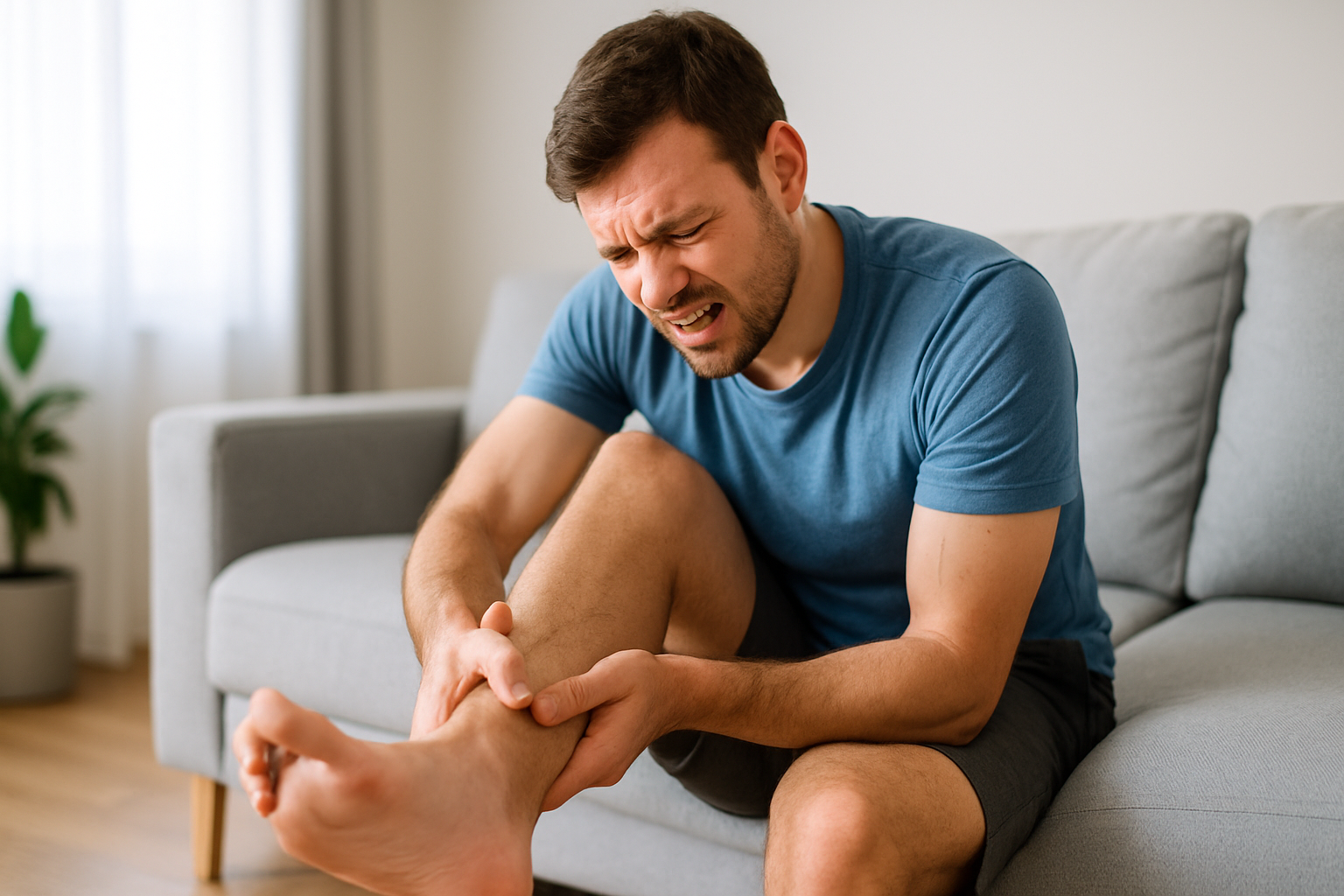
Leg pain can strike at any time after a long day on your feet, an intense workout, or even while resting. Whether it’s a dull ache, cramp, or sharp discomfort, the sensation can make it difficult to move, relax, or sleep. The good news is that there are simple and effective ways to reduce leg pain immediately, helping you regain comfort and mobility within minutes.
From quick stretching techniques to cold therapy, massage, and better circulation habits, several natural methods can ease pain fast without medication. Understanding what causes your discomfort and responding quickly is key to preventing it from getting worse.
In this article, we’ll explore practical, science-backed strategies to relieve leg pain instantly, including easy adjustments you can make at home to reduce muscle tension, improve blood flow, and soothe inflammation for lasting relief.
What are the common causes of leg pain?
Leg pain is a widespread issue that affects people of all ages and lifestyles. It can range from a mild ache to sharp, persistent discomfort that limits movement and daily activities. While it’s often temporary and caused by fatigue or minor strain, leg pain can also be a sign of an underlying medical condition that requires attention. Understanding the most common causes helps you identify the source of the problem and choose the right treatment to relieve it.
1. Muscle fatigue and overuse
One of the most frequent causes of leg pain is muscle fatigue. Standing, walking, or exercising for long hours can overwork your leg muscles, leading to soreness, stiffness, or cramping. This is particularly common in athletes or people with active jobs. The pain usually appears after intense activity or prolonged standing and improves with rest, hydration, and gentle stretching.
Overuse can also cause micro-tears in muscle fibres, leading to inflammation and delayed-onset muscle soreness (DOMS), which typically peaks 24–48 hours after exertion.
2. Poor circulation
Poor blood circulation is another major cause of leg pain, especially among people who sit or stand for long periods. When blood flow to the legs slows, oxygen and nutrients don’t reach the muscles efficiently, resulting in heaviness, throbbing, or cramps.
Conditions like chronic venous insufficiency (CVI) or varicose veins can also cause aching, swelling, and a feeling of tightness. In severe cases, poor circulation may lead to deep vein thrombosis (DVT) a blood clot in the deep veins which causes sharp pain, swelling, and redness and requires immediate medical attention.
3. Nerve compression or irritation
Leg pain is often linked to nerve problems, such as sciatica, where the sciatic nerve running from the lower back to the legs becomes compressed or inflamed. This can cause shooting pain, tingling, or numbness that radiates down the leg.
Other conditions, like herniated discs or spinal stenosis, can also pinch nerves and trigger similar symptoms. Nerve-related pain often worsens when sitting or bending and may feel like burning or electric shocks.
4. Joint and bone conditions
Pain in the legs can originate from joint or bone issues, especially in older adults. Conditions like osteoarthritis, rheumatoid arthritis, or bursitis cause inflammation and stiffness in the joints, particularly the knees and hips.
Bone fractures or stress fractures from repetitive impact (such as running or jumping) can also lead to localised pain and tenderness. In rare cases, more serious bone conditions like osteoporosis or infections may be responsible.
5. Muscle cramps and dehydration
Leg cramps sudden, involuntary muscle contractions are a common and painful cause of nighttime or post-exercise discomfort. They can result from dehydration, electrolyte imbalance (low magnesium, potassium, or calcium), or poor blood circulation.
Cramps are particularly common in athletes and people who don’t stretch regularly. Staying hydrated, massaging the area, and gently stretching the muscle usually bring quick relief.
6. Lifestyle and posture factors
Sedentary habits, prolonged sitting, and poor posture can contribute to leg pain over time. Sitting for hours compresses the nerves and blood vessels in your thighs, while crossing your legs too often can restrict circulation. Wearing unsupportive shoes or high heels may also strain muscles and joints, leading to long-term discomfort.
How to relieve leg pain immediately at home?
When leg pain appears suddenly, it can make walking, standing, or even resting uncomfortable. Fortunately, several simple and effective remedies can help you relieve leg pain quickly at home. Whether your discomfort is caused by fatigue, muscle tension, or poor circulation, these easy techniques can provide almost instant relief.
One of the fastest ways to reduce pain is to apply hot or cold therapy. An ice pack helps numb sharp pain and decrease inflammation, especially after intense exercise or minor injury. If the pain comes from stiffness or muscle tension, use a warm compress or heating pad instead to relax the muscles and boost blood circulation. Alternating between heat and cold can also speed up recovery.
Another effective method is to elevate your legs above heart level for about 15 to 20 minutes. This position improves blood flow, reduces swelling, and lightens the feeling of heaviness in your legs. Simply lie on your back and place your legs on a cushion or against a wall.
Gentle stretching and massage are also excellent for easing tension. Slowly stretch your calves, thighs, and hamstrings, holding each stretch for about 30 seconds. Then, massage the sore area using circular motions to release knots and encourage better circulation. You can even use a massage roller or an EMS foot massager for faster relief.
It’s also important to stay hydrated. Leg cramps are often caused by dehydration or a lack of electrolytes such as magnesium or potassium. Drink plenty of water and eat electrolyte-rich foods like bananas, nuts, and spinach to prevent recurrence.
Finally, don’t underestimate the power of rest and posture. If your legs are overworked, allow them time to recover, and when sitting or lying down, maintain proper alignment to avoid additional pressure on your joints.
By combining heat or cold therapy, leg elevation, stretching, hydration, and rest, you can relieve leg pain at home quickly and naturally restoring comfort and mobility without medication.
Experience Instant Comfort and Better Circulation with the LegRelief™ Device
If you often struggle with heavy, tired, or painful legs, the LegRelief™ device is the solution your body has been waiting for. Designed to relieve muscle tension, improve blood circulation, and reduce leg pain naturally, this innovative product helps you feel lighter and more energised after every use.
Unlike basic massagers, LegRelief™ uses advanced EMS (Electrical Muscle Stimulation) technology to activate the muscles in your legs and feet, stimulating circulation and easing stiffness within minutes. It’s a non-invasive, drug-free solution perfect for people who spend long hours standing, sitting, or travelling.
Compact, comfortable, and easy to use, this device fits seamlessly into your daily routine whether you use it at home, at work, or even while watching TV. Simply place your feet on the pad, select your intensity level, and let LegRelief™ do the work. You’ll instantly feel your muscles relax and the pain fade away.
Thousands of users have already experienced the benefits of LegRelief™, reporting reduced swelling, improved mobility, and a noticeable sense of relief after only a few sessions. It’s a must-have for anyone seeking long-term comfort and healthy legs.
Don’t let leg pain slow you down order your LegRelief™ today and enjoy fast, effective relief from the comfort of your home.
How Travellers Can Benefit from Orthopaedic Knee Pillow?
What are orthopedic insoles used for?