

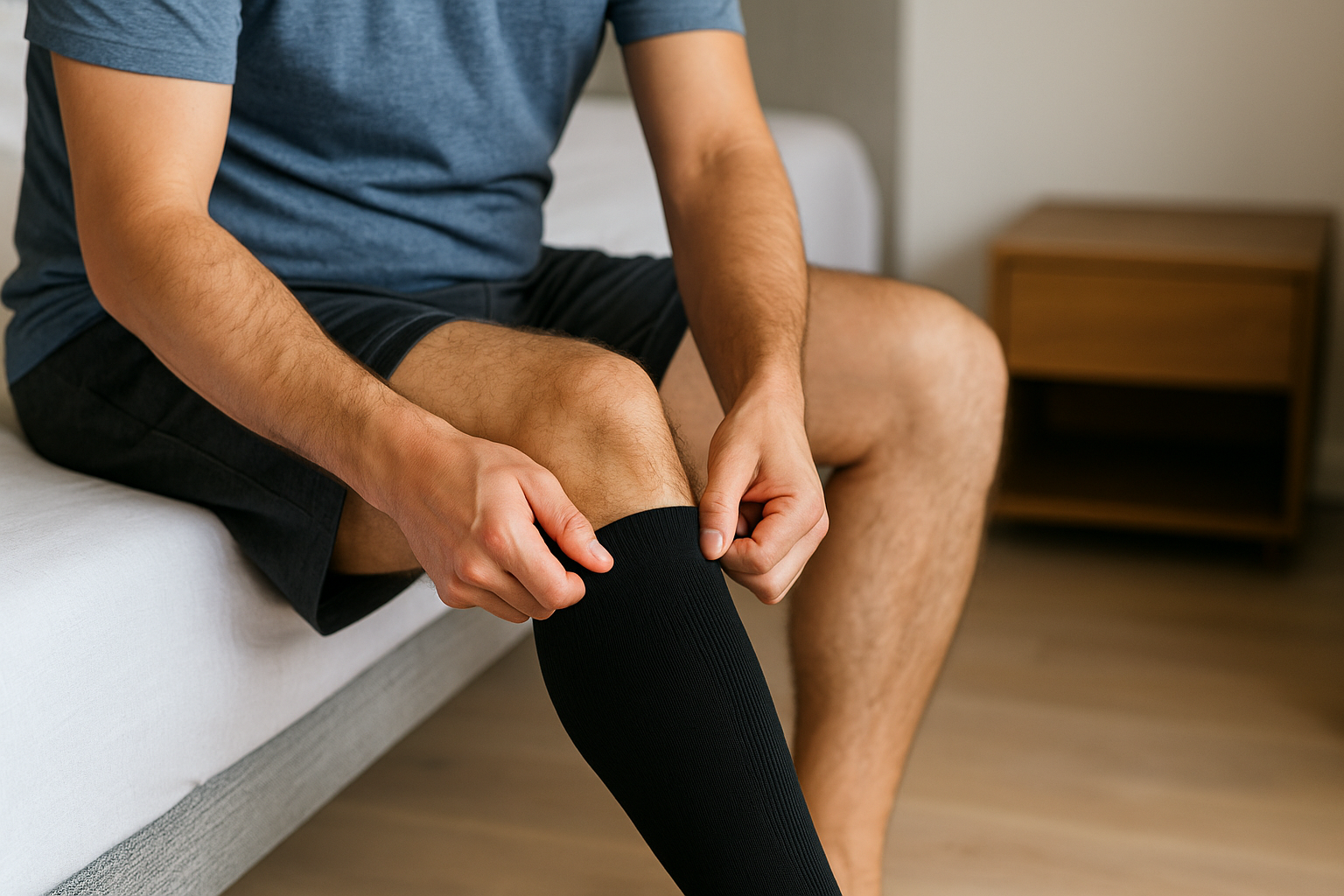
At first glance, orthopedic socks might look just like regular socks soft, comfortable, and easy to wear. But beyond appearances, they serve a much more specialised purpose. While ordinary socks are designed mainly for comfort and style, orthopedic socks are engineered to support foot health, improve circulation, and reduce pain or swelling.
These medically inspired socks can make a real difference for people dealing with foot fatigue, poor blood flow, diabetes, or chronic discomfort. Understanding the difference between socks and orthopedic socks helps you choose the right pair for your daily needs whether for everyday wear, sports recovery, or medical support.
In this article, we’ll explain how orthopedic socks differ from regular ones, what makes them beneficial, and why they might be the upgrade your feet truly need.
What makes orthopedic socks different from regular socks?
At first glance, orthopedic socks might look like ordinary socks soft, stretchy, and comfortable. However, their design, structure, and purpose set them apart in many ways. While regular socks are made mainly for comfort and protection, orthopedic socks are engineered to support foot health, improve circulation, and prevent common foot problems. They combine medical-grade features with advanced materials to provide targeted benefits for people seeking relief from discomfort, swelling, or poor posture.
Below are the main differences that make orthopedic socks distinct from regular socks and why they’re worth considering for better foot care.
1. Specialised design for support and alignment
Regular socks are primarily designed to cushion the foot, absorb moisture, and protect against friction. Orthopedic socks, on the other hand, are developed with ergonomic and anatomical design principles to provide structured support.
They are often shaped to follow the natural contour of the foot and ankle, ensuring even pressure distribution. This helps correct alignment, reduce strain on joints, and maintain balance while walking or standing. Some models feature built-in arch or heel support to stabilise the foot something regular socks don’t provide.
This structural difference makes orthopedic socks especially beneficial for people with flat feet, plantar fasciitis, bunions, or joint pain.
2. Compression and circulation benefits
One of the key functions that separates orthopedic socks from normal socks is graduated compression. These socks apply gentle, consistent pressure to the foot and lower leg, encouraging blood flow back toward the heart.
Improved circulation reduces swelling, prevents fatigue, and helps with conditions such as varicose veins, oedema, and diabetic neuropathy. Regular socks don’t provide any compression benefits and in some cases, tight bands around the ankles may even restrict blood flow.
By contrast, orthopedic socks use medical-grade elastic materials that stimulate healthy circulation without cutting off oxygen to the feet. This feature makes them especially useful for people who sit or stand for long periods, travel frequently, or have circulatory problems.
3. Therapeutic materials and moisture control
While most regular socks are made from cotton or synthetic blends, orthopedic socks use advanced, breathable fabrics specifically chosen for comfort and foot health. Common materials include bamboo fibre, merino wool, copper-infused yarns, and moisture-wicking microfibres.
These materials help regulate temperature, prevent odour, and keep the feet dry reducing the risk of fungal infections or blisters. Some orthopedic socks even feature antibacterial or anti-inflammatory properties, designed to soothe sensitive or swollen feet.
For people with diabetes or neuropathy, this moisture control and breathability are crucial in preventing skin irritation or infection.
4. Targeted cushioning and pressure relief
Unlike standard socks, orthopedic socks provide extra padding in key areas such as the heel, ball of the foot, and toes. This strategic cushioning helps absorb shock and relieve pressure on sensitive areas — ideal for those who walk or stand for long hours.
The enhanced padding also helps prevent calluses, corns, and blisters, while maintaining a lightweight and breathable design. Regular socks, by contrast, often have uniform thickness throughout and offer limited impact protection.
This targeted design makes orthopedic socks particularly helpful for athletes, workers on their feet all day, and elderly individuals prone to foot pain.
5. Adapted for medical and lifestyle needs
Orthopedic socks aren’t just for people with foot problems they’re for anyone seeking long-term comfort and foot health. Their design caters to specific medical conditions and lifestyle demands, making them more versatile than regular socks.
For example:
-
Diabetic orthopedic socks feature non-binding cuffs and seamless construction to avoid irritation.
-
Compression orthopedic socks help improve circulation for travellers or office workers.
-
Posture-supporting socks assist with alignment during exercise or rehabilitation.
Regular socks serve general comfort, but orthopedic socks provide functional, health-focused benefits tailored to individual needs.
6. Durability and performance
Orthopedic socks are built to last. The reinforced stitching and high-performance materials resist wear and tear far better than most standard socks. Their elasticity also holds up over time, ensuring consistent compression and support even after many washes.
Regular socks, in comparison, tend to lose shape, elasticity, and comfort much faster especially under daily use.
What are the benefits of orthopedic socks?
Orthopedic socks are designed to provide far more than everyday comfort. They combine medical support with innovative design to help improve circulation, reduce pain, and protect the feet from common issues caused by strain or poor posture. Whether used for recovery, daily wear, or specific health conditions, orthopedic socks offer multiple benefits for overall foot health and comfort.
Here are the main benefits of wearing orthopedic socks and why they’re becoming a must-have for people seeking better foot care:
-
Improved blood circulation:
Thanks to their graduated compression, orthopedic socks help stimulate blood flow from the feet back toward the heart. This reduces swelling, prevents fatigue, and supports vein health — especially beneficial for people who stand or sit for long hours. -
Reduced swelling and inflammation:
The gentle pressure from these socks helps control fluid build-up in the feet and ankles, easing symptoms of oedema, varicose veins, or post-surgical swelling. -
Enhanced comfort and cushioning:
Orthopedic socks are made with targeted padding on key pressure points — such as the heel, arch, and toes — to absorb impact and prevent calluses, blisters, or corns. -
Pain relief and joint support:
Their ergonomic design stabilises the foot and ankle, helping relieve discomfort linked to plantar fasciitis, arthritis, or tendon strain. The improved alignment also reduces pressure on joints. -
Temperature and moisture regulation:
Made from breathable, antibacterial materials like bamboo or copper fibres, orthopedic socks keep the feet dry, cool, and odour-free — essential for preventing infections or skin irritation. -
Prevention of foot injuries:
By maintaining even pressure and providing arch support, they help prevent muscle fatigue, instability, and repetitive strain injuries. -
Posture and balance improvement:
Orthopedic socks promote better foot alignment, which contributes to improved posture, balance, and walking comfort.
In summary, orthopedic socks offer a perfect mix of support, protection, and comfort. They’re ideal for anyone who spends long hours on their feet, suffers from poor circulation, or simply wants to keep their feet healthy, energised, and pain-free.
The differences between socks and orthopedic socks
At first glance, orthopedic socks and regular socks may seem similar both cover the feet, provide warmth, and offer comfort. However, when it comes to design, functionality, and purpose, the differences between them are significant. Regular socks are made primarily for comfort and fashion, while orthopedic socks are medically engineered to support foot health, improve circulation, and prevent pain or injury.
Understanding these key differences helps you choose the right type of sock for your specific needs whether for everyday use, medical conditions, or athletic performance.
Purpose and function
Regular socks are designed for basic comfort and protection. They prevent friction between your feet and shoes, absorb moisture, and help keep your feet warm. Their role is largely aesthetic or practical, focusing on style, colour, and fit.
Orthopedic socks, however, have a therapeutic purpose. They are developed with medical principles in mind to improve blood flow, reduce swelling, and support proper foot alignment. They can relieve pain linked to conditions such as plantar fasciitis, diabetes, arthritis, or poor circulation. While they also provide comfort, their primary goal is to enhance foot health and mobility.
Design and construction
The structure of orthopedic socks is far more complex than that of standard socks. Regular socks usually have a simple, uniform weave. Orthopedic socks feature graduated compression, targeted cushioning, and anatomical shaping that adapts to the natural contours of the foot.
They may include reinforced heels and arches, non-binding cuffs, and seamless toes to prevent irritation. These features ensure better support, comfort, and protection for sensitive areas of the feet. Regular socks, by contrast, do not provide any therapeutic pressure or alignment correction.
Materials and breathability
While everyday socks are often made from cotton or synthetic blends, orthopedic socks are crafted from advanced, breathable fibres such as bamboo, merino wool, copper-infused yarns, or medical-grade microfibres. These materials regulate temperature, wick away moisture, and reduce bacterial growth.
This makes orthopedic socks ideal for people with sweaty feet, sensitive skin, or medical conditions requiring extra hygiene and comfort. Regular socks can trap moisture, leading to odour or irritation if worn for long periods.
Compression and circulation support
One of the biggest distinctions is compression. Orthopedic socks are designed to gently squeeze the feet and lower legs, stimulating blood circulation and reducing swelling. This helps prevent fatigue, varicose veins, and oedema.
Regular socks don’t offer compression benefits. In fact, tight elastic bands around the ankles can sometimes restrict circulation, especially for people with vascular problems. Orthopedic socks use graduated compression tighter near the ankle and looser toward the calf to ensure smooth blood flow and optimal comfort.
Targeted users and applications
Regular socks are for everyone — suitable for daily wear, fashion, or light exercise. Orthopedic socks, on the other hand, are particularly beneficial for people who experience chronic pain, swelling, or circulation issues, such as:
-
Diabetics who need non-restrictive, seamless protection.
-
Athletes recovering from intense training.
-
Workers who stand for long hours.
-
Elderly individuals with weak circulation or joint discomfort.
They are also recommended after surgery or during travel to prevent swelling and fatigue.
Durability and longevity
Because of their specialised materials and reinforced stitching, orthopedic socks tend to be more durable than standard socks. They maintain elasticity and structure even after many washes, continuing to deliver therapeutic benefits over time. Regular socks, in contrast, lose their shape and comfort more quickly.
What are the benefits of cooling face mask?
Who should not wear socks orthopedic?